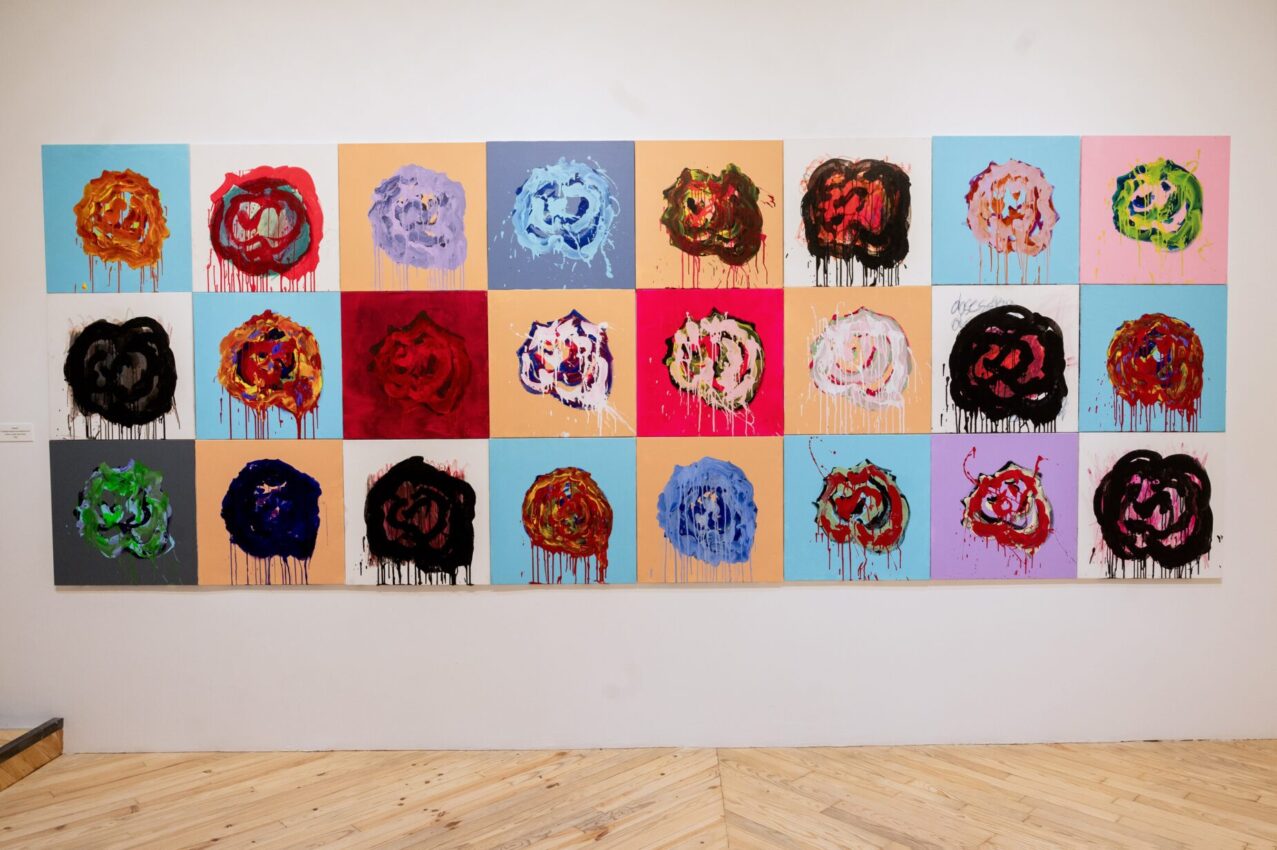
Obsession
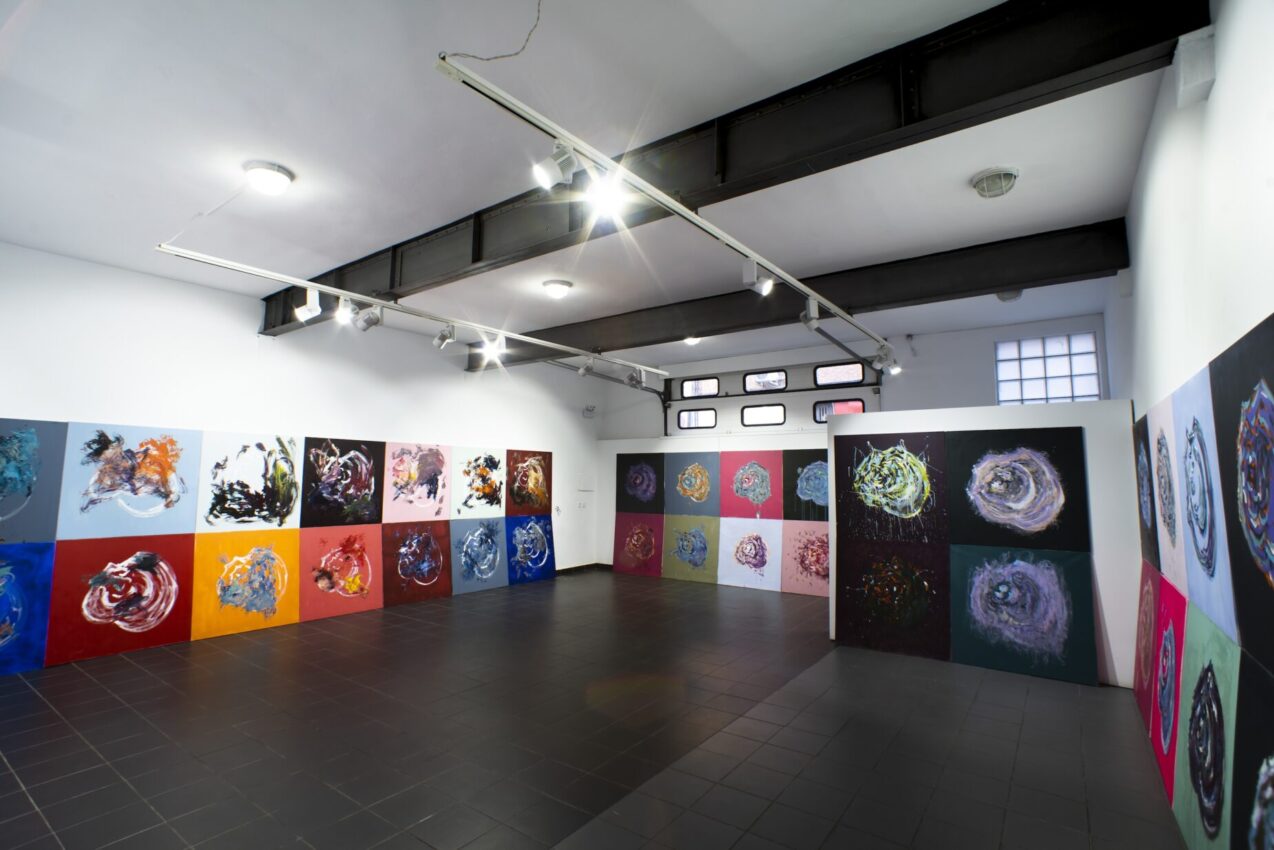
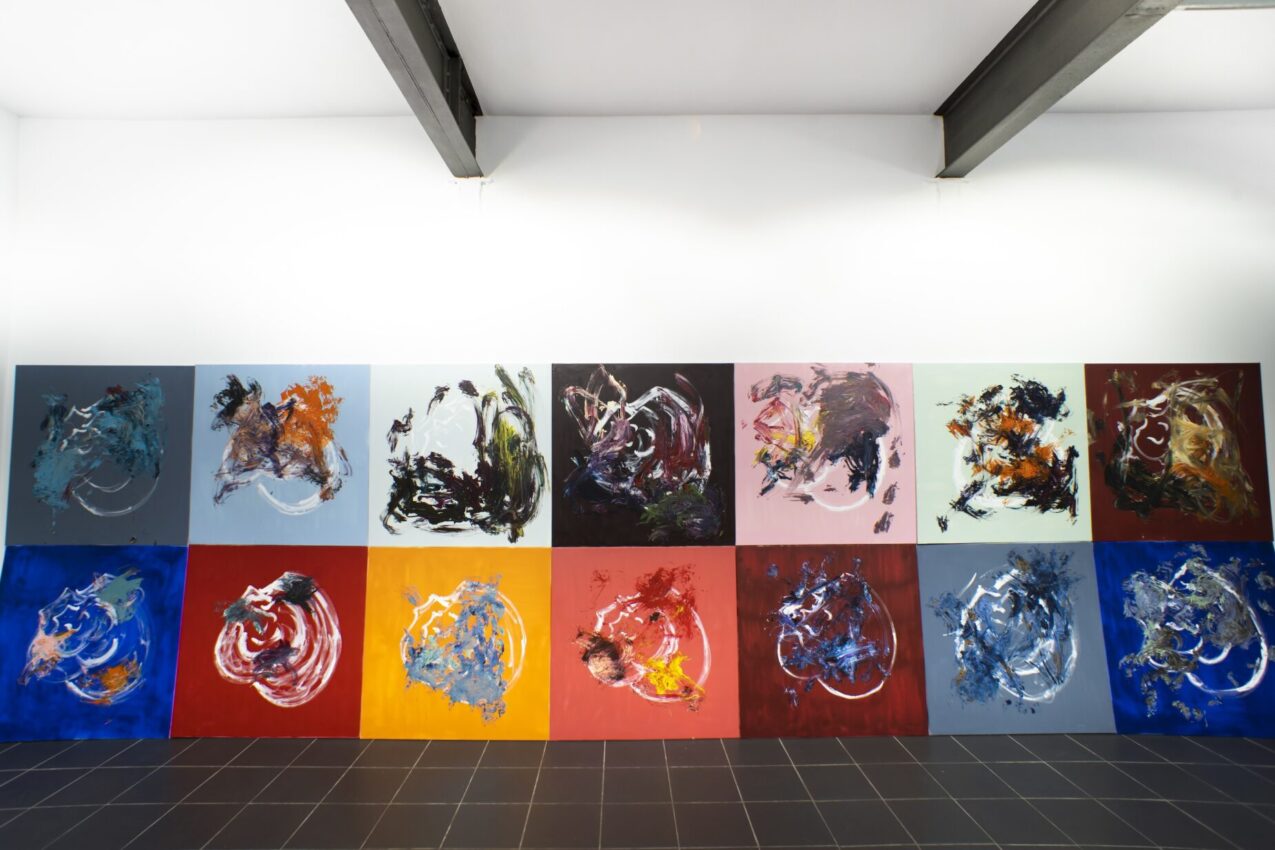
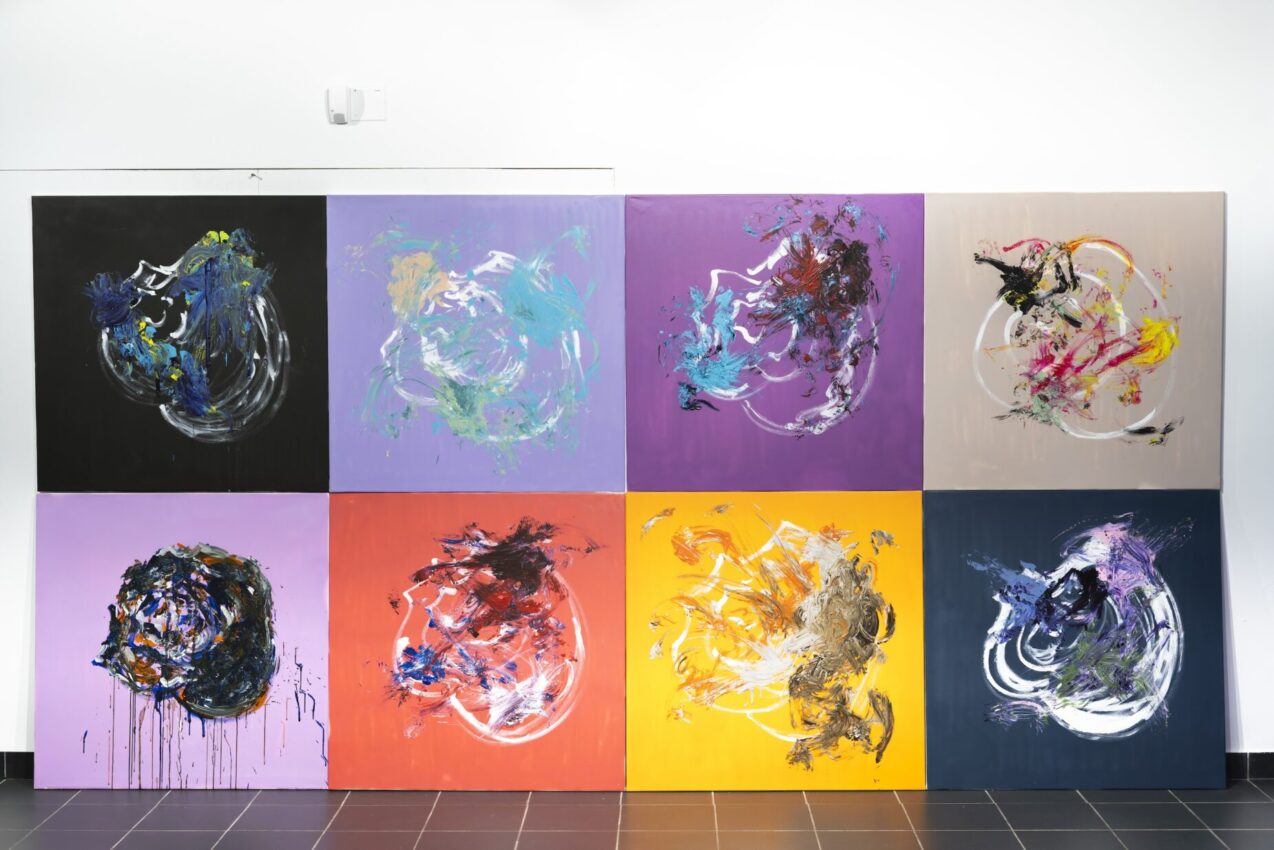
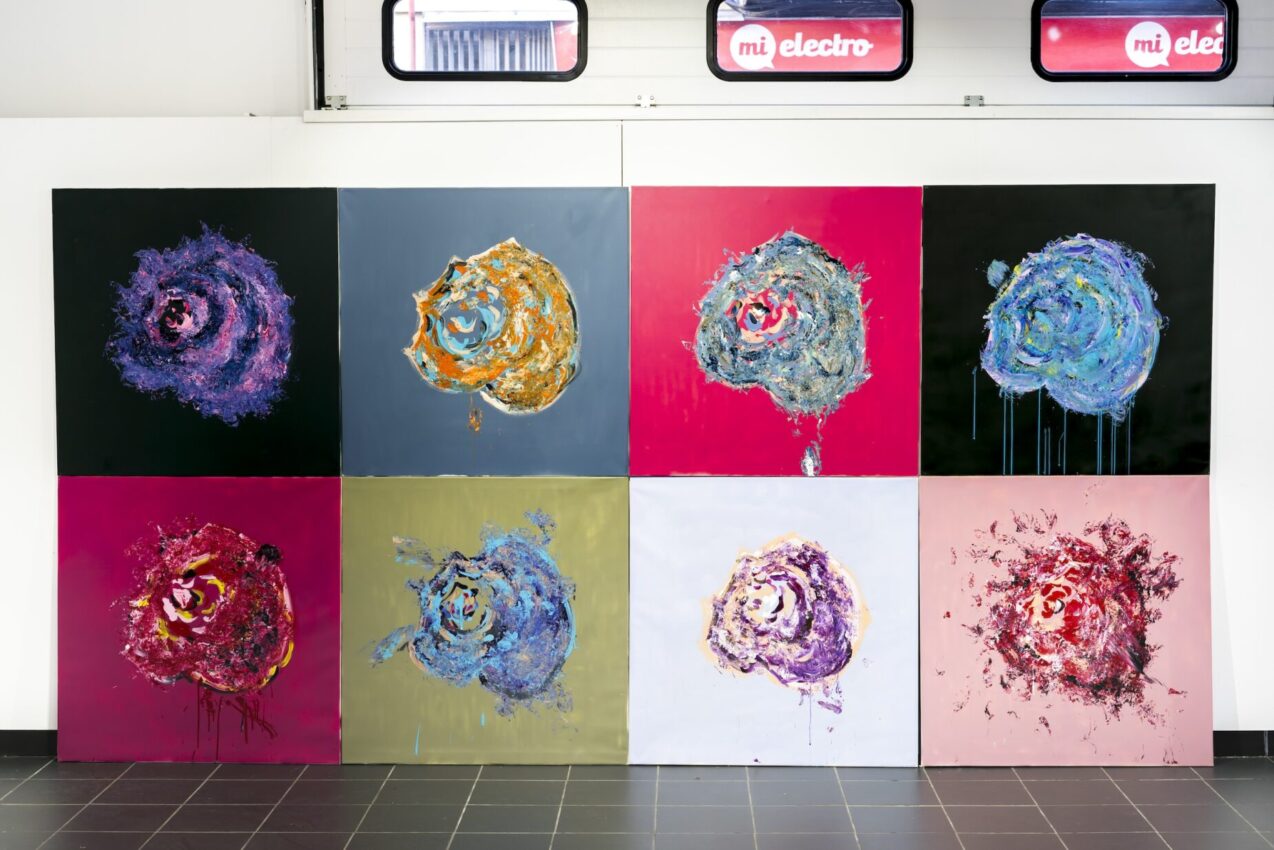
Obsession investigates repetition as both a psychological condition and an embodied process. The series emerges through the repeated painting of roses using Japanese calligraphy brushes and real roses, producing accumulative surfaces shaped by sustained attention, compulsive gesture, and ritualized movement. Through the continual return to nearly identical forms, the work examines how fixation alters perception, temporality, and sensory experience.
Rather than treating obsession solely as a subject, Hasegawa approaches it as a procedural condition embedded within the act of painting itself. The repetitive rendering of the same motif becomes a method for observing how desire, attraction, control, exhaustion, and cognitive fixation circulate through bodily action over time. Meaning does not reside in any individual image, but emerges through duration, accumulation, and the persistence of repeated gestures.
The rose functions simultaneously as image, tool, and material agent within the process. Real roses introduce instability, tactility, fragility, and organic variation into each mark, while calligraphy brushes extend bodily movement through rhythmic and disciplined repetition. Together, these tools transform painting into a performative system in which minimal variations in pressure, tempo, saturation, and movement become increasingly perceptible through repetition.
Each work explores different combinations of density, rhythm, and spatial accumulation, reflecting shifting emotional and perceptual states contained within obsessive behavior. What may initially appear monotonous or excessive gradually reveals subtle differences generated through prolonged concentration and embodied repetition. In this sense, the process itself becomes the conceptual structure of the work: obsession is not represented, but enacted.
The series also destabilizes conventional hierarchies within painting. Rather than organizing compositions around focal points or symbolic emphasis, each repeated element carries equal weight and presence within the surface. Through this flattening of visual importance, the work reflects the recursive logic of obsessive thought, where attention continuously returns to the same form without resolution.
The tension between the visual delicacy of the rose and the psychological intensity of repetition produces an unstable perceptual space in which attraction and discomfort coexist. Obsession ultimately treats repetition not as mechanical reproduction, but as a temporal and embodied condition through which cognition, desire, memory, and material process continuously interact.